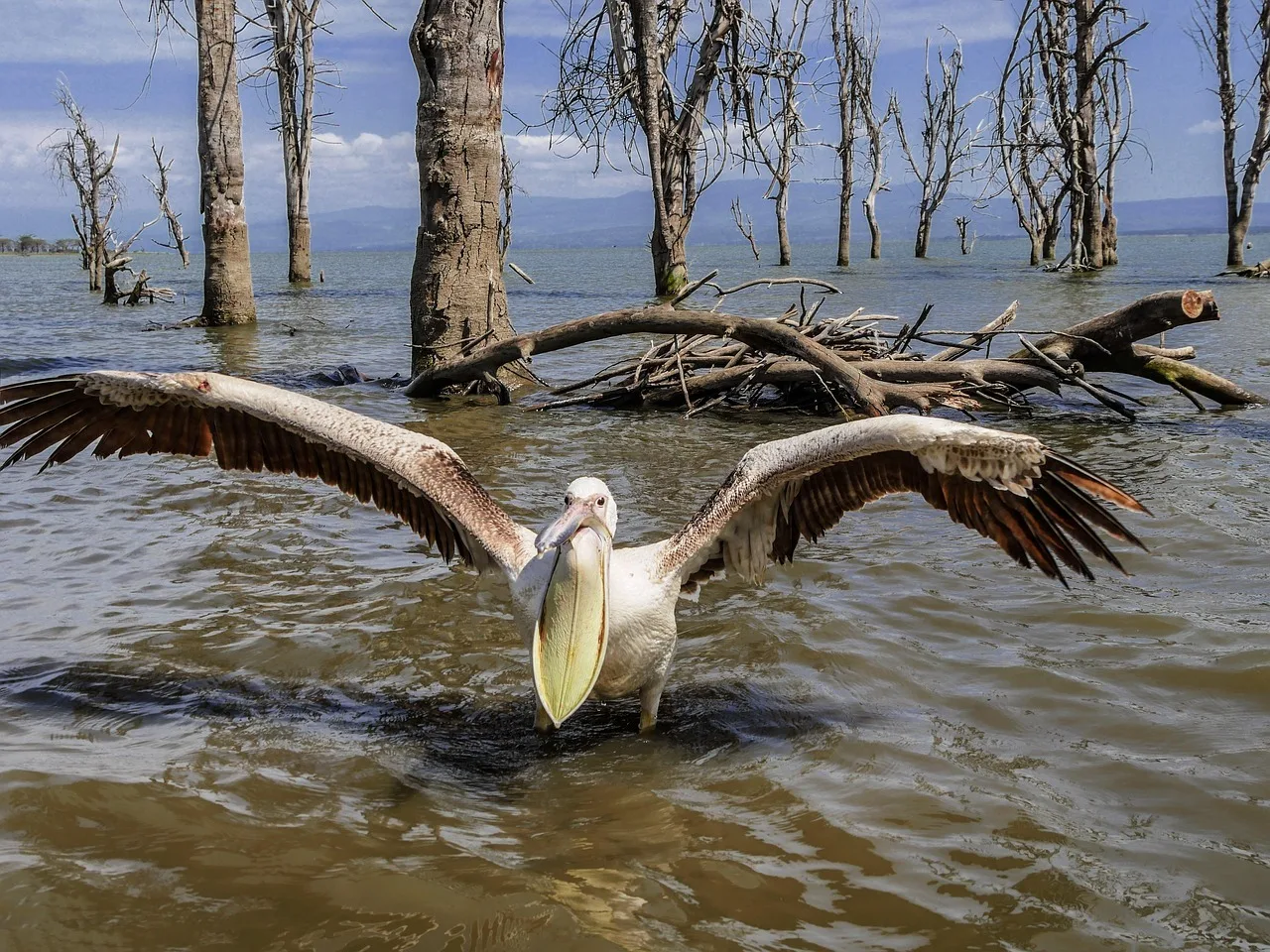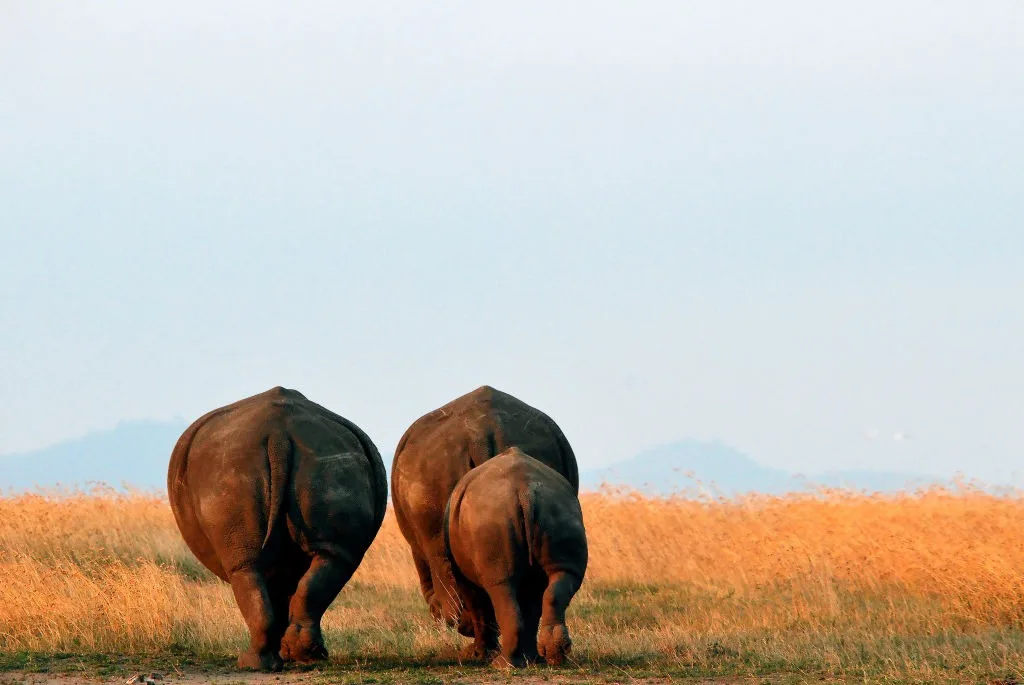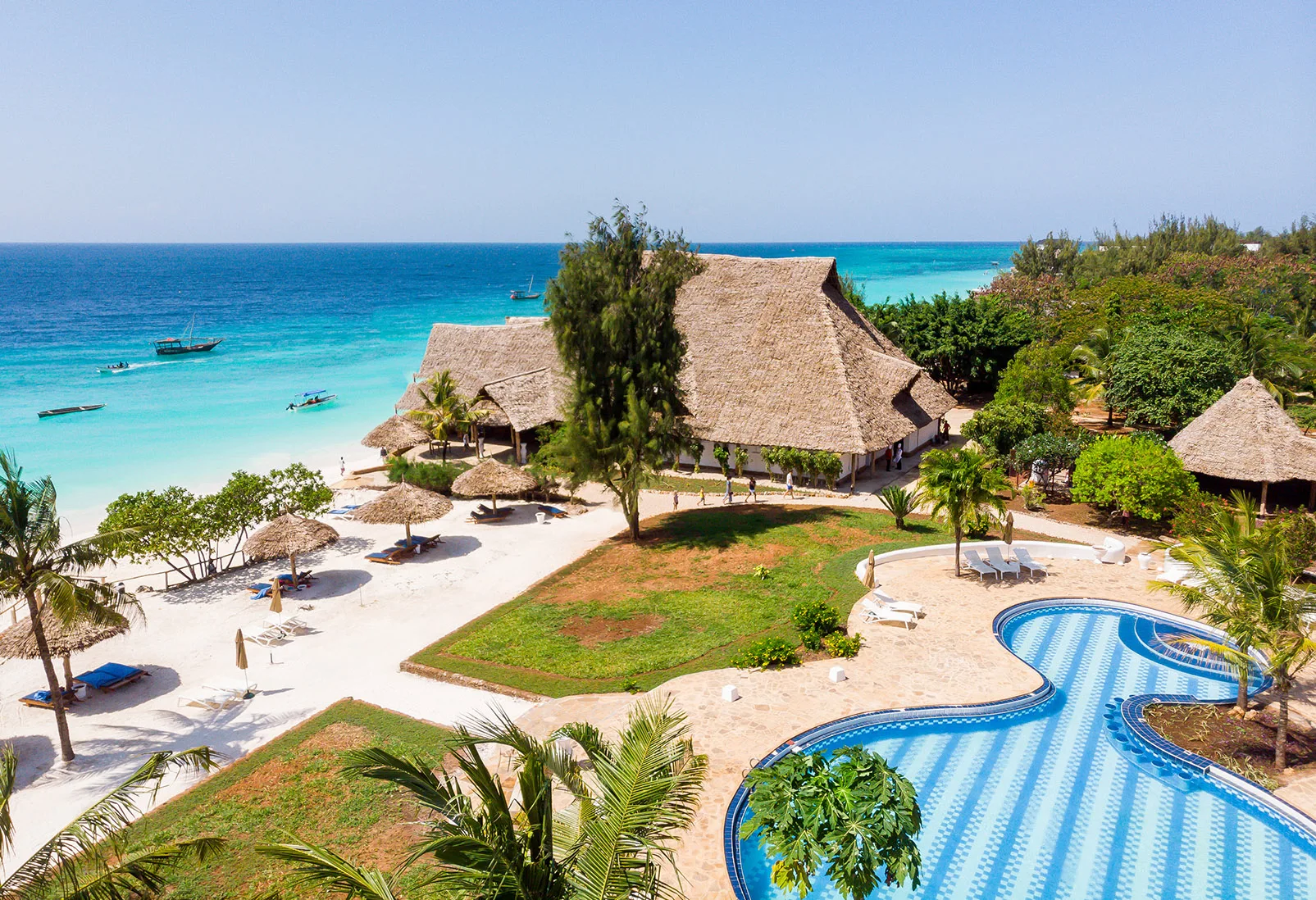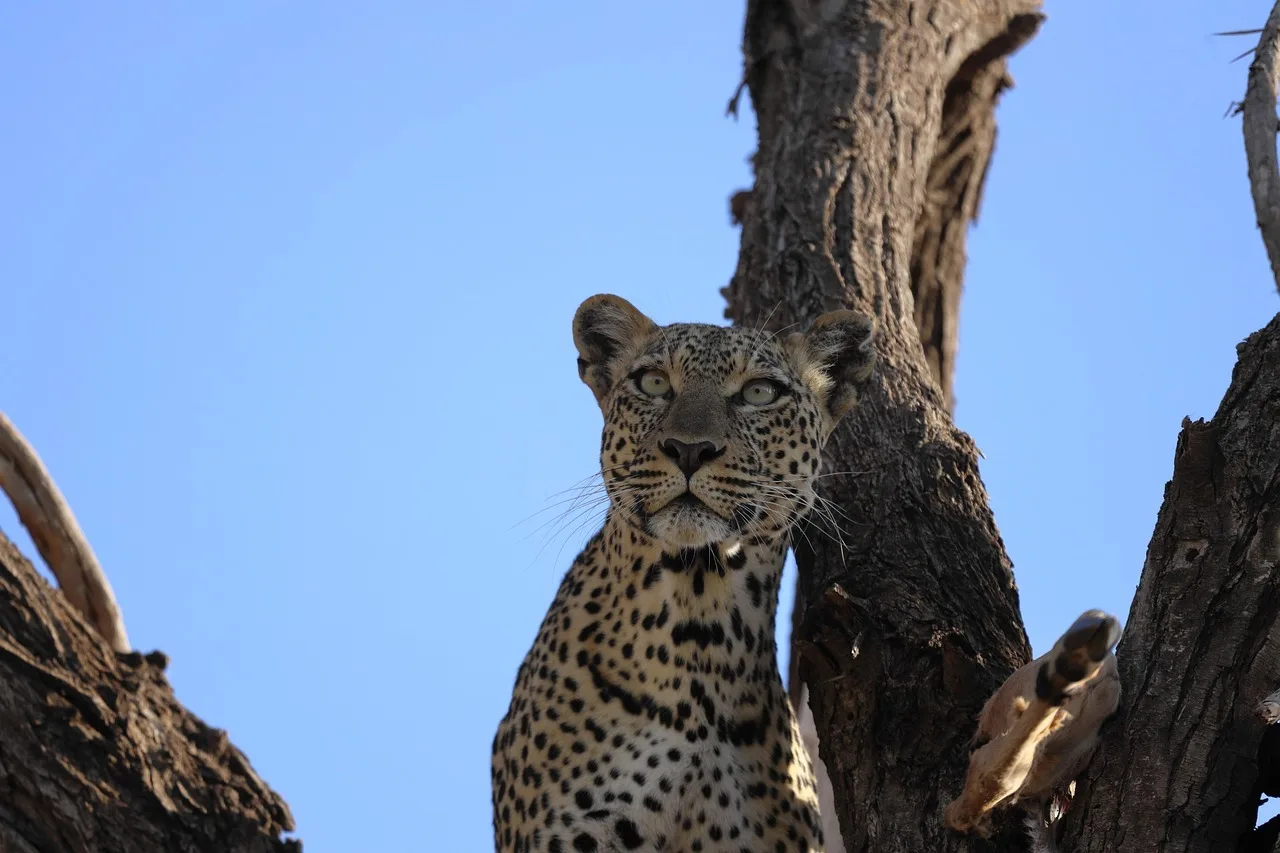
A first Kenya safari can feel complicated because there are many excellent parks, different ways to travel and a wide range of accommodation. The simplest approach is to build the journey in layers: decide what you most want to experience, choose the destinations that match those priorities, decide how much privacy and flexibility you need, then fit the accommodation and transport around that plan. A good safari is not necessarily the one that visits the most places. It is the one that gives you enough time in the right places without turning every day into a transfer. Courtesywide Adventures can combine scheduled group departures, private road safaris, flying sectors, hotels, holiday homes and optional activities, but the best result starts with a clear travel profile.
1. Start with the experience you want, not a list of parks
Before choosing a route, decide what would make the trip feel successful. Some travellers want big cats and classic savannah scenery. Others care more about elephants, birding, photography, conservation, active adventures, family time or combining safari with the coast. Those priorities should shape the route.
For a first safari, it is usually better to identify two or three strong priorities than to try to include everything. A wildlife-focused traveller may place the Maasai Mara at the centre of the trip. Someone who values elephant viewing and dramatic southern Kenya scenery may prioritise Amboseli. A traveller who wants a slower break can add Naivasha, while Nanyuki and the wider Laikipia area work well for conservation-led and highland extensions.
Write down your top priorities before comparing packages. It makes it much easier to judge whether a safari is genuinely suitable or simply has an attractive price.
2. Choose the safari style that matches your budget and flexibility
Group-joining safaris are useful when you want a scheduled departure and are comfortable sharing a safari vehicle with other travellers. They can make transport costs more efficient and are straightforward for solo travellers, couples and friends who do not need a fully private programme.
A private road safari gives you much more control over departure times, stops, accommodation choices and the pace of game drives. It is especially useful for families, photographers, couples celebrating a special occasion and small groups who want the vehicle to themselves.
Flying safaris reduce long road transfers and can work well when time is limited or when the trip is built around premium camps. They normally cost more than road-based options, but the time saved can be valuable on a short holiday. A mixed itinerary can also use road transport for part of the journey and flights where they add the most value.
3. Match each destination to a clear reason for visiting
The Maasai Mara is one of Kenya's strongest choices for classic game viewing, big-cat country and migration-related travel. Amboseli is particularly appealing for elephant viewing, birdlife and views toward Mount Kilimanjaro when weather conditions are clear. Naivasha adds lake scenery and optional experiences such as boating and nearby Hell's Gate adventures. Nanyuki provides a highland base for Mount Kenya and the wider Laikipia conservation landscape.
The key is not to treat destinations as interchangeable. Each stop should add something different to the journey. If two consecutive destinations offer a similar experience but require a long transfer, it may be better to spend an extra night in one place rather than add another pin to the map.
For longer itineraries, think in circuits. A route should flow geographically and operationally rather than jumping back and forth across the country.
4. Give the safari enough time to breathe
A common first-time planning mistake is trying to visit too many destinations in too few days. Every move involves packing, checking out, driving or flying, checking in and settling into a new place. That time is not the same as wildlife-viewing time.
For a short safari, two destinations done well can be more rewarding than four rushed stops. Where possible, allow at least two nights in major wildlife areas so that the trip includes more than a single arrival-day game drive. Three nights can be even better in a destination such as the Maasai Mara when wildlife and photography are the main focus.
Also protect some unstructured time. An afternoon at the lodge, a slower breakfast or a relaxed sunset can be part of the experience rather than time that must be filled with another activity.
5. Plan around seasonality without expecting nature to follow a timetable
Kenya is a year-round safari destination, but weather, road conditions, wildlife distribution, visitor numbers and accommodation rates change through the year. Peak travel periods usually require earlier booking, while quieter periods can offer more flexibility and a different atmosphere.
If the Great Migration is a major reason for visiting the Maasai Mara, plan early and keep expectations realistic. Herd movements and river crossings depend on rainfall and natural conditions and cannot be guaranteed for a particular day. A well-planned Mara safari should still be rewarding even if a dramatic crossing does not happen during your stay.
For coastal extensions and outdoor activities, sea and weather conditions can affect individual excursions. Build the core holiday around experiences that work reliably, then treat highly weather-dependent activities as flexible additions.
6. Select accommodation by location as well as comfort
A beautiful lodge can still be the wrong choice if it creates unnecessary driving every day. When comparing accommodation, look at where it sits in relation to the reserve, conservancy, park gate or activity area you actually plan to visit.
Then consider the level of service and atmosphere you want. Safari camps and lodges can range from simple, practical options to highly serviced luxury properties. In Nanyuki and Naivasha, hotels and private holiday homes can also work well, especially for weekend stays, families and groups.
Always confirm the meal plan. Full board, half board and bed-and-breakfast arrangements affect the real cost of the trip. If the itinerary has long game-drive days, the practical detail of packed meals can matter as much as the room category.
7. Understand the transport before comparing prices
Transport is one of the biggest differences between safari quotations. Ask what vehicle will be used, whether it is private or shared, how many guests are allocated to it and whether the quoted price includes the driver guide, fuel and the full route.
A purpose-built safari Land Cruiser is the preferred option for many wildlife circuits because of its game-viewing configuration and ability to handle demanding park roads. Safari vans can suit some routes and budgets, while ordinary road vehicles are better reserved for transfers and non-game-drive travel.
For shared safaris, check the seat allocation and luggage guidance before departure. For private trips, consider space for photography equipment, children's needs and the amount of luggage. The cheapest vehicle arrangement is not always the most comfortable one over several days.
8. Build a complete budget, not just a package headline
A useful safari budget should separate the core package from optional and variable costs. The core quotation may include transport, accommodation, stated meals, game drives and selected park or conservancy fees. Optional items can include balloon safaris, cultural visits, boat rides, special dining, extra nights, premium room upgrades and additional transfers.
Also allow for personal expenses such as drinks not included in the meal plan, gratuities, travel insurance, souvenirs and any visa or entry requirements that apply to your nationality. Park and conservancy fees can change, so the final quotation should always use the current applicable rates.
When comparing two offers, compare what is included line by line. A lower headline price can become more expensive if important transport, fees or meals are excluded.
9. Plan differently for families, couples and photographers
Families generally benefit from a private vehicle, sensible driving hours and accommodation that makes meal times and room arrangements easy. Build in rest periods and avoid creating a programme where children spend most of the trip moving between properties.
Couples may prefer fewer destinations, more private experiences and accommodation with a stronger sense of place. A beach extension can work particularly well after an active road safari.
Photographers should prioritise vehicle space, flexible game-drive timing, longer stays and accommodation location. Six guests in a vehicle can feel very different from eight when everyone is carrying cameras. If photography is a major priority, say so before the quotation is built.
10. Confirm the practical details before paying
Before making a final payment, confirm the travel dates, guest names, rooming arrangement, itinerary, accommodation, meal plan, vehicle type, pickup point, inclusions, exclusions, cancellation terms and payment schedule. If flights or train tickets are included, confirm the exact baggage conditions and whether the ticket is already issued or still subject to availability.
Share dietary requirements, mobility considerations and important preferences early. These are easier to arrange before suppliers are fully booked.
Keep your booking reference and final confirmed itinerary together. They should be the main reference for communication with the travel team, especially when several services are combined in one journey.
11. A simple first-safari formula
For many first-time travellers, a strong Kenya itinerary follows a simple formula: choose one major wildlife destination, add one contrasting stop if time allows, then finish with either a relaxed highland/lake stay or the coast. The exact combination depends on the number of days and how much road travel you enjoy.
For example, a safari can focus on the Maasai Mara, add Naivasha for a change of pace, and finish with a coastal stay. Another traveller may prefer Amboseli plus Tsavo before continuing to Diani. There is no single correct route; the best itinerary is the one that fits your priorities, dates and preferred pace.
Courtesywide Adventures can use the same planning framework to build either a scheduled group departure or a fully private itinerary, while keeping optional activities clearly separated from the core package.
Continue planning
Move from the guide to the relevant Courtesywide pages or trusted external references.
Explore within Courtesywide
Explore all Courtesywide toursBrowse Kenya destinationsGroup-joining safarisPrivate safarisFlying safarisSafari and transfer vehiclesUseful external resources
Kenya Wildlife Service — Parks
Dalphy
Courtesywide Adventures travel author and trip-planning contributor.