National Park
Amboseli National Park
Home of the African Elephant
Overview
About Amboseli National Park
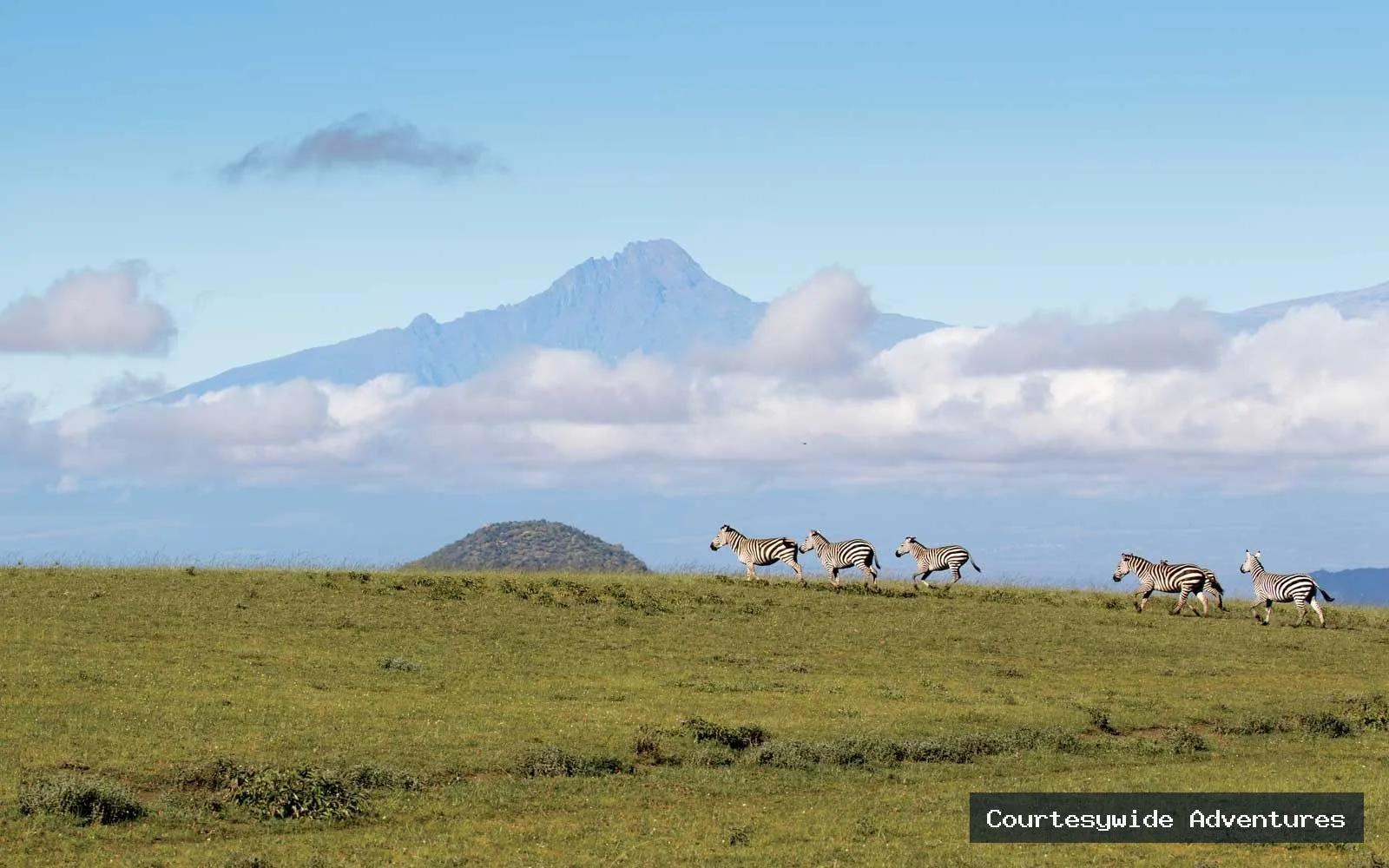
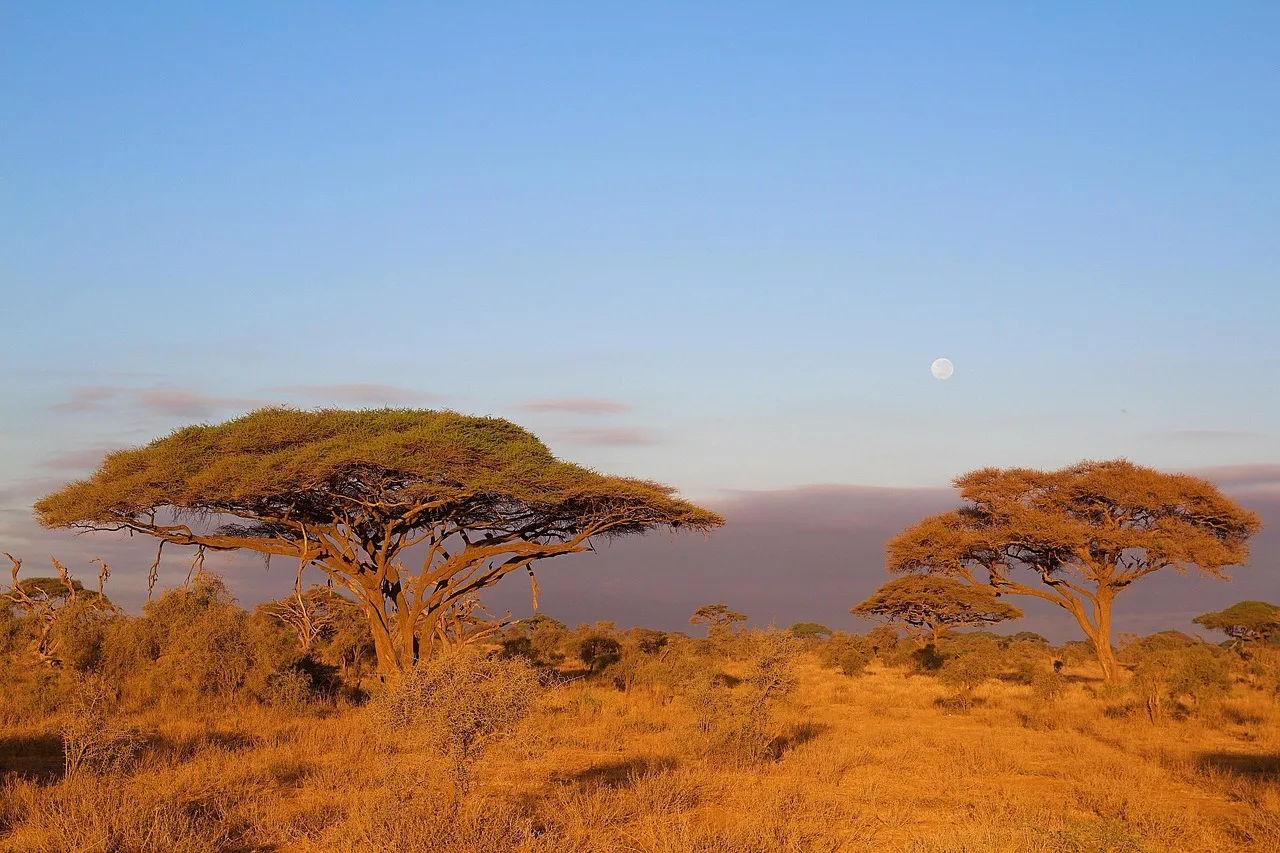
Amboseli is one of Kenya’s signature wildlife destinations, especially known for large elephant herds framed by Mount Kilimanjaro. Its grasslands, seasonal lake basin, swamps and acacia habitats support varied wildlife and more than 400 recorded bird species, while nearby Maasai culture adds an important human dimension to the safari.
Attractions
What makes this protected area special
Large elephant herds
Mount Kilimanjaro views
Observation Hill
Lake Amboseli basin and seasonal flamingos
More than 400 bird species
Maasai cultural experiences
UNESCO Man and the Biosphere designation
Experience
Activities & wildlife
Things to do
- Game drives
- Birdwatching
- Photography
- Cultural visits
- Scenic viewing
- Astro-tourism experiences where arranged
Wildlife & biodiversity
- Elephant
- Lion
- Buffalo
- Giraffe
- Zebra
- Hippo
- Birdlife
Stay nearby
Accommodation
KWS homes & cottages
- Kilimanjaro Guest House
- Kilimanjaro Annex
- Kibo House
- Simba Cottages
- Chui Cottages
Public campsites
- Amboseli Public Campsite
Private lodges & camps
- Ol Tukai Lodge
- Amboseli Serena Lodge
- Severin Safari Camp
- Amboseli Getaway Hotel
- Kilima Safari Camp
- AA Lodges Amboseli
- Kimana Amboseli Camp
- Elewana Tortilis Camp Amboseli
- Kibo Villa - Amboseli
- Tulia Amboseli Safari Camp
- Sentrim Amboseli
- Tawi Lodge
- Sungura Safari Camp
- Elerai Camp
Use the current KWS source page and Courtesywide Adventures hotel inventory to confirm in-park and nearby accommodation; availability and operating status can change.
Conservation story
Park history
KWS states that Amboseli National Park was gazetted on 1 November 1974.
Plan your journey
How to get there
By road
Common access is through Iremito, Kimana and Meshanani gates. KWS lists routes from Nairobi via Emali or Namanga.
By air
Kimana Airstrip serves light aircraft.
Gates / entry points
- Iremito Gate
- Kimana Gate
- Meshanani Gate
Before you go
Visitor tips
Carry drinking water, sun protection, a camera or binoculars, and a basic first-aid kit.
Use clothing and footwear suited to the terrain and expected weather.
Confirm road, weather and gate conditions with KWS before departure.
Opening/entry times and activity hours can vary by protected area and season. Confirm current KWS gate or facility hours before travel.
Single-use plastics are not permitted in Kenya's protected areas. Travel with reusable alternatives.
Responsible travel
Safety guidelines
- 1
Respect wildlife space and always give animals right of way.
- 2
Do not carry or use prohibited single-use plastics inside protected areas.
- 3
Follow normal road rules; avoid hooting and never drive under the influence of alcohol.
- 4
Observe the official gate opening and closing times unless you are an authorised overnight guest.
- 5
Drive and move quietly so wildlife is not startled or disturbed.
- 6
Keep unnecessary noise, phones and sound devices to a minimum around wildlife.
- 7
Remain in your vehicle except at places specifically designated as safe for visitors to alight.
- 8
Observe the posted park speed limit; KWS commonly limits game-viewing roads to 40 km/h.
- 9
Stay on authorised roads, tracks and trails and do not drive off-road.
- 10
Keep a safe viewing distance from wildlife and follow ranger instructions.
- 11
Never feed wild animals or interfere with their natural behaviour.
- 12
Carry your litter out and leave campsites, picnic sites and viewing areas clean.
- 13
When camping, never leave a fire unattended and extinguish it completely before leaving.
- 14
Protected-area visits are undertaken subject to KWS rules, conditions and current safety guidance.
Conservation fees
Park entry rates
| Visitor category | Adult | Child |
|---|---|---|
| East Africa CitizenKES | KES 1,500 | KES 750 |
| Kenya ResidentKES | KES 2,025 | KES 1,050 |
| Africa CitizenUSD | USD 50 | USD 25 |
| Non-ResidentUSD | USD 90 | USD 45 |
Effective from 2025-10-01
Rates captured from the official KWS Conservation Fees 2025 schedule, effective 1 October 2025. Verify the latest KWS conservation fees before publishing a final client quotation or invoice.
View official fee sourceOfficial park reference
Park contacts
These are official park-reference contacts where available. For itinerary planning, accommodation coordination, transfers and safari quotations, contact Courtesywide Adventures directly.
Useful answers
Amboseli National Park FAQs
What is Amboseli National Park best known for?
Amboseli National Park is especially known for Large elephant herds, Mount Kilimanjaro views, Observation Hill, Lake Amboseli basin and seasonal flamingos. The exact experience varies by season and current park conditions.
How do I get to Amboseli National Park?
Road: Common access is through Iremito, Kimana and Meshanani gates. KWS lists routes from Nairobi via Emali or Namanga. Air: Kimana Airstrip serves light aircraft. Confirm the latest road, gate, airstrip or marine access guidance with KWS before departure.
What are the current entry fees for Amboseli National Park?
The KWS 2025 fee schedule lists East African citizen adults from KES 1,500 and non-resident adults from USD 90 for this fee category. Child, resident and African-citizen rates are stored in this record. Always verify current KWS fees before issuing a final quotation.
What should I carry when visiting Amboseli National Park?
Carry drinking water, suitable clothing and footwear, sun protection, a camera/binoculars where useful, and any personal medication. Follow KWS safety rules and avoid single-use plastics in protected areas.
Keep exploring
View all parks Other parks & protected areas
Build a stronger safari route by combining complementary landscapes.