National Park
South Island National Park
Mysterious Isle
Overview
About South Island National Park
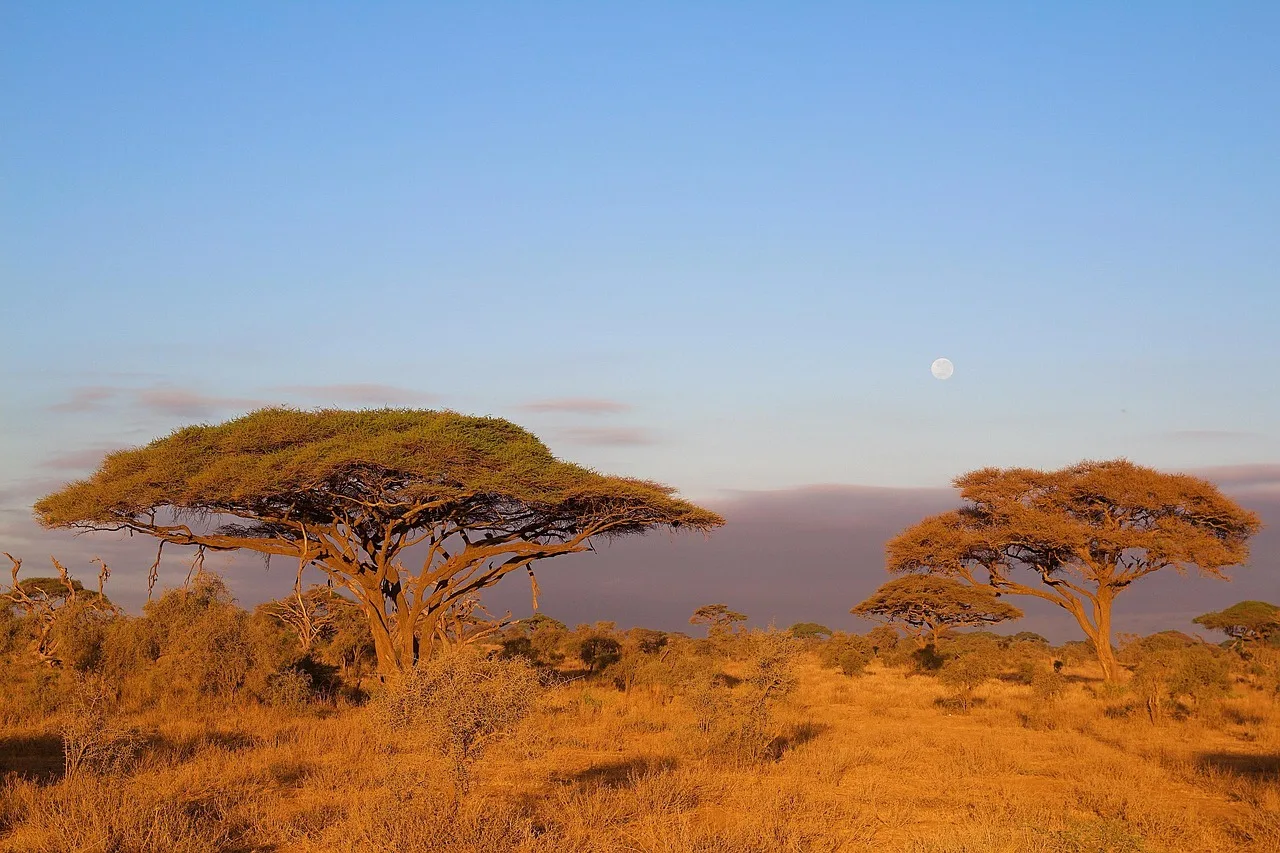
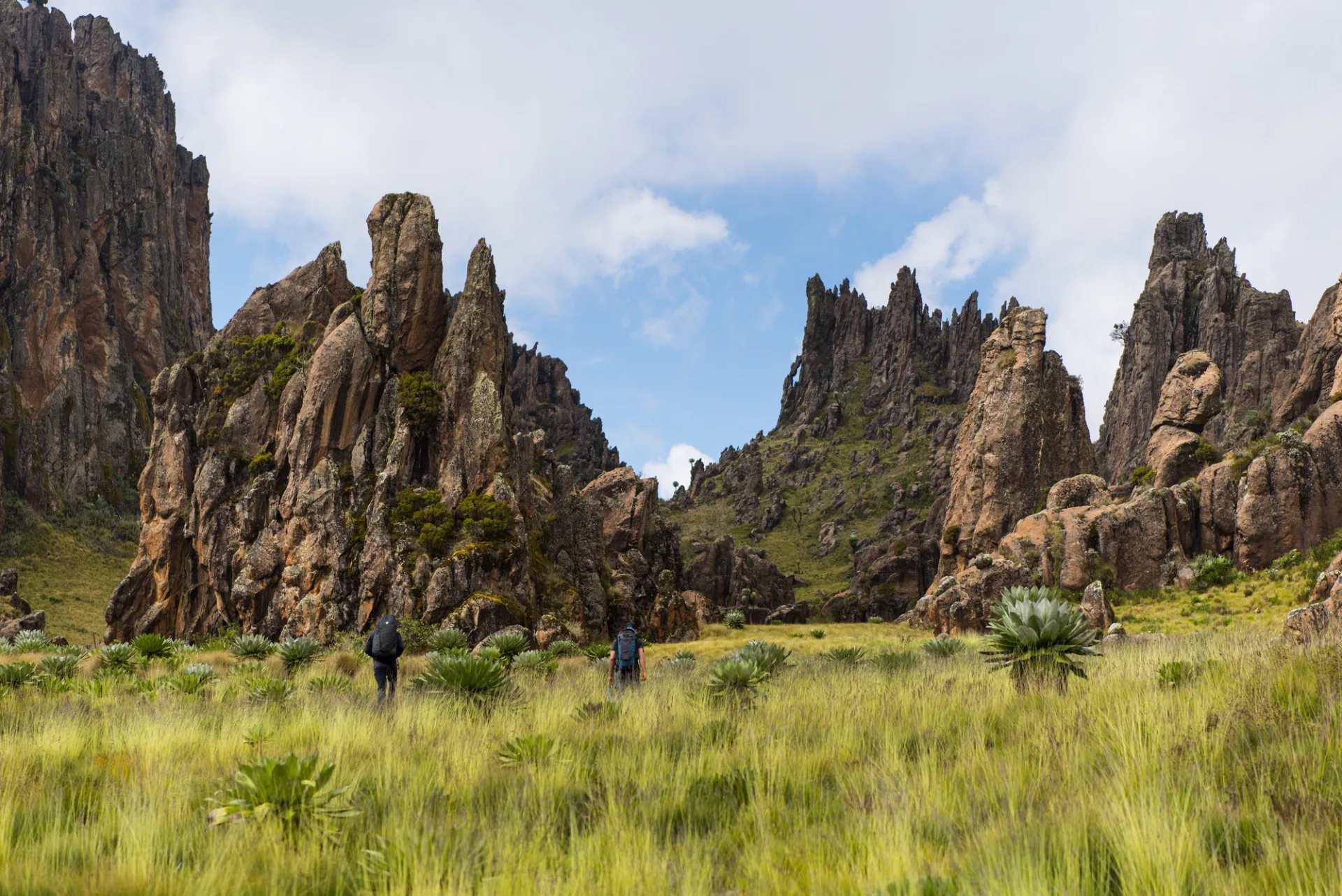
South Island is an austere volcanic park surrounded by the waters of Lake Turkana. Rocky outcrops, sandy shoreline and remote skies create a dramatic setting, while crocodiles, reptiles and migratory waterbirds give the island high ecological value within the wider Lake Turkana protected landscape.
Attractions
What makes this protected area special
Lake Turkana ‘Jade Sea’ scenery
Nile crocodile breeding habitat
Reptiles and prehistoric fish
Important Bird Area
UNESCO Man and the Biosphere recognition
Exceptional dark skies
Experience
Activities & wildlife
Things to do
- Boat access
- Birdwatching
- Photography
- Stargazing
- Wilderness exploration
Wildlife & biodiversity
- Nile crocodile
- Reptiles
- Palearctic migrant waterbirds
- Cormorants
- Gulls
Stay nearby
Accommodation
Private lodges & camps
- Lobolo Camp
- Cradle Tented Camp
- Desert Rose Lodge
Use the current KWS source page and Courtesywide Adventures hotel inventory to confirm in-park and nearby accommodation; availability and operating status can change.
Conservation story
Park history
KWS places South Island within the internationally important Lake Turkana conservation landscape. Note: the current KWS detail page appears to contain a history paragraph describing Central Island; this seed intentionally does not repeat that apparent content error.
Plan your journey
How to get there
By road
KWS describes a roughly 600 km drive from Nairobi via Isiolo–Laisamis or Marsabit/South Horr toward Lake Turkana; high-clearance 4WD and convoy travel are recommended.
By air
Airstrips are available on/near the island and at Loiyangalani and other northern towns.
Before you go
Visitor tips
Carry drinking water, sun protection, a camera or binoculars, and a basic first-aid kit.
Use clothing and footwear suited to the terrain and expected weather.
Confirm road, weather and gate conditions with KWS before departure.
Opening/entry times and activity hours can vary by protected area and season. Confirm current KWS gate or facility hours before travel.
Single-use plastics are not permitted in Kenya's protected areas. Travel with reusable alternatives.
Responsible travel
Safety guidelines
- 1
Respect wildlife space and always give animals right of way.
- 2
Do not carry or use prohibited single-use plastics inside protected areas.
- 3
Follow normal road rules; avoid hooting and never drive under the influence of alcohol.
- 4
Observe the official gate opening and closing times unless you are an authorised overnight guest.
- 5
Drive and move quietly so wildlife is not startled or disturbed.
- 6
Keep unnecessary noise, phones and sound devices to a minimum around wildlife.
- 7
Remain in your vehicle except at places specifically designated as safe for visitors to alight.
- 8
Observe the posted park speed limit; KWS commonly limits game-viewing roads to 40 km/h.
- 9
Stay on authorised roads, tracks and trails and do not drive off-road.
- 10
Keep a safe viewing distance from wildlife and follow ranger instructions.
- 11
Never feed wild animals or interfere with their natural behaviour.
- 12
Carry your litter out and leave campsites, picnic sites and viewing areas clean.
- 13
When camping, never leave a fire unattended and extinguish it completely before leaving.
- 14
Protected-area visits are undertaken subject to KWS rules, conditions and current safety guidance.
Conservation fees
Park entry rates
| Visitor category | Adult | Child |
|---|---|---|
| East Africa CitizenKES | KES 500 | KES 250 |
| Kenya ResidentKES | KES 675 | KES 350 |
| Africa CitizenUSD | USD 20 | USD 10 |
| Non-ResidentUSD | USD 40 | USD 20 |
Effective from 2025-10-01
Rates captured from the official KWS Conservation Fees 2025 schedule, effective 1 October 2025. Verify the latest KWS conservation fees before publishing a final client quotation or invoice.
View official fee sourceUseful answers
South Island National Park FAQs
What is South Island National Park best known for?
South Island National Park is especially known for Lake Turkana ‘Jade Sea’ scenery, Nile crocodile breeding habitat, Reptiles and prehistoric fish, Important Bird Area. The exact experience varies by season and current park conditions.
How do I get to South Island National Park?
Road: KWS describes a roughly 600 km drive from Nairobi via Isiolo–Laisamis or Marsabit/South Horr toward Lake Turkana; high-clearance 4WD and convoy travel are recommended. Air: Airstrips are available on/near the island and at Loiyangalani and other northern towns. Confirm the latest road, gate, airstrip or marine access guidance with KWS before departure.
What are the current entry fees for South Island National Park?
The KWS 2025 fee schedule lists East African citizen adults from KES 500 and non-resident adults from USD 40 for this fee category. Child, resident and African-citizen rates are stored in this record. Always verify current KWS fees before issuing a final quotation.
What should I carry when visiting South Island National Park?
Carry drinking water, suitable clothing and footwear, sun protection, a camera/binoculars where useful, and any personal medication. Follow KWS safety rules and avoid single-use plastics in protected areas.
Keep exploring
View all parks Other parks & protected areas
Build a stronger safari route by combining complementary landscapes.